Best Concrete Cleaning Solutions That Work in Cold Temperatures
Learn how to clean concrete in cold weather! Discover the best winter-friendly products and techniques to keep your surfaces safe and spotless.
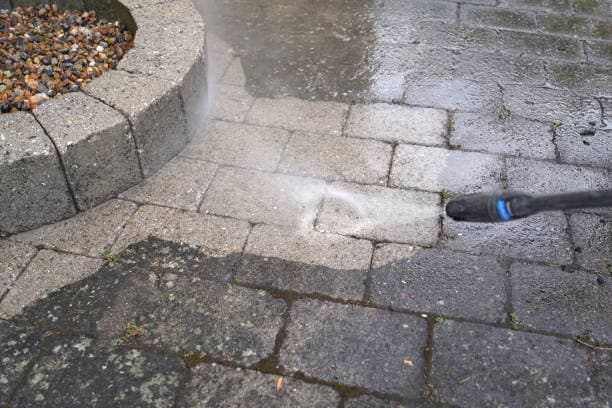
Cleaning concrete during winter can feel like a challenge because cold temperatures change how water, detergents, and stains react. Many homeowners assume winter cleaning is impossible, but that isn’t true. Concrete can be cleaned in cold weather — you just need the right approach, the right timing, and cleaning products designed to work when temperatures drop.
Why winter makes concrete harder to clean, what temperatures are safe, and which products actually work in cold conditions. Whether you want to clean a driveway, sidewalk, patio, or steps, this easy-to-understand guide will help you choose the best concrete cleaners for winter and protect your surfaces throughout the season.
Why Concrete Cleaning Gets Harder in Winter
Concrete behaves differently in winter. It absorbs and holds cold, meaning it takes much longer to warm up compared to the air around it. As a result, cleaners break down stains more slowly, and water tends to sit on the surface instead of evaporating. This makes stains more stubborn and increases the risk of moisture freezing inside the concrete.
Winter also brings additional mess — salt, ice melt products, road sludge, oil drips from cold vehicles, moisture, and mud. These materials bond tightly to concrete when temperatures drop, creating stains that require stronger cleaning agents.
Another issue is the freeze–thaw cycle. When concrete absorbs water and that water freezes, it expands inside the pores and can cause cracking or flaking. This is why cold-weather concrete cleaning must be done carefully, gently, and only with winter-safe products.
Can You Safely Clean Concrete in Cold Temperatures?
Yes, concrete can be cleaned safely in cold weather as long as the surface is not frozen and the temperature is above freezing. Winter concrete cleaning simply requires more attention to moisture and temperature than summer cleaning.
If the concrete is frozen or has icy patches, cleaning should be avoided. Frozen surfaces are fragile, and adding water can cause cracks. However, on days when the temperature rises, especially during midday, concrete is stable enough to handle cleaning solutions.
Using winter-safe exterior cleaning products helps ensure that the job can be done without high heat or strong pressure. These cleaners are specially made to work even when the ground is chilled.
What Temperature Is Safe for Cleaning Concrete?
The safest temperature range for winter concrete cleaning is above 40°F (4°C). At this point, water will not freeze, and cleaning products remain active. Concrete also dries faster, reducing the risk of evening refreezing.
Trying to clean concrete below freezing (32°F or 0°C) can be dangerous because:
Water freezes instantly
Ice forms on the surface
Concrete becomes more brittle
Cleaning agents stop working properly
If temperatures sit between 32°F and 40°F, cleaning can still be possible, but extra caution is needed. Professionals usually prefer waiting for a warmer part of the day to reduce risks.
Best Concrete Cleaning Solutions for Cold Weather
Cleaning concrete in cold weather is all about choosing products that remain effective even when temperatures drop. Standard cleaners often require warm water to activate, but winter concrete cleaning products are designed for low-temperature performance.
Some of the best options include:
Low-Temperature Concrete Detergents: These detergents are made to break down dirt, algae, and winter buildup without needing warm water. They stay active even when concrete is cold.
Winter Degreasers for Concrete: Grease and oil thicken in winter, so a cold-weather degreaser is essential for driveways and garage floors.
Enzyme-Based Concrete Cleaners: Ideal for organic stains like mildew or algae. Enzyme cleaners continue working after application, which is helpful in cold weather.
Salt and Ice Melt Removers: Salt residue is one of the most common winter stains. These cleaners dissolve white powder, calcium deposits, and ice melt chemicals without damaging concrete.
Winter-specific products make it possible to clean concrete effectively without relying on heat or intense pressure.
Top Cleaning Methods That Work in Low Temperatures
Cleaning techniques matter even more than the products you use. During winter, aggressive scrubbing and high-pressure washing can damage cold concrete, so gentler methods are recommended.
For general grime, a low-temperature detergent paired with a stiff outdoor brush is surprisingly effective. This method loosens dirt without pushing water deep into the concrete. If the surface has heavy buildup, a warm rinse helps lift winter grime and activate winter detergents more quickly.
Soft washing is another safe method for winter. It uses gentle pressure and relies on detergents rather than force. Because soft washing uses less water, there is less risk of moisture freezing within the concrete.
Pressure washing can still be used, but it must be done cautiously. Lower PSI settings reduce the chance of etching or cracking the surface. The key is to work during the warmest part of the day and avoid leaving water on the ground overnight.
How to Remove Oil, Grease, and Stains in Winter
Oil and grease stains become thicker and harder in winter, which makes them stubborn. To remove them effectively, use a concrete oil stain remover for winter or a cold-weather degreaser.
A simple method is:
Apply the degreaser to the stain.
Let it sit longer than usual because cold slows chemical reactions.
Brush the area lightly to help lift the stain.
Rinse with warm water if possible.
Warm water loosens oil, while winter-formulated degreasers break down residue that cold temperatures harden. This combination works well even on old, dark stains that appear after cold nights.
Best Products for Salt and Ice Melt Stains
One of the biggest winter cleaning problems is the white, chalky residue left behind by salt and ice melt products. These minerals bond strongly to concrete, and if left untreated, they can damage the surface over time.
Winter salt removers are specifically designed to break down calcium chloride, magnesium chloride, and rock salt residue. These cleaners dissolve the buildup and prevent the concrete from absorbing corrosive minerals.
A warm-water rinse after applying a salt remover gives the best results, helping dissolve leftover crystals that may linger deep inside the surface.
Winter-Safe Cleaning Chemicals for Driveways
Driveways collect more winter dirt than any other concrete area, thanks to vehicles dragging in slush, mud, oil, and salt from the roads. This makes winter driveway cleaning more demanding, especially when the temperature drops.
Winter-safe cleaning chemicals include:
Cold-weather degreasers
Winter mold and mildew cleaners
Low-temperature detergents
Salt residue dissolvers
Enzyme-based stain removers
These products work without damaging the driveway or needing high heat. They allow you to remove winter grime, tire marks, and stains while keeping the surface protected from freeze–thaw damage.
How to Clean Concrete Without Causing Damage in Winter
Concrete is more delicate in cold weather, so cleaning must be done carefully. Avoid using high pressure because frozen or chilled concrete can crack under force. Instead, work patiently with winter-safe products and warm water.
The best approach is to use as little water as possible. This prevents moisture from sinking into the concrete and freezing later. Clean in small sections so you can rinse and dry the area quickly. After rinsing, remove standing water to stop it from turning into ice patches.
If your concrete has cracks, avoid strong water flow directly into those areas. Winter cleaning should always focus on protecting the surface first and cleaning second.
Professional Techniques for Winter Concrete Cleaning
Professionals take a different approach when cleaning concrete during cold temperatures. They use equipment designed for winter conditions and cleaning agents formulated for low-temperature performance.
A common technique involves using commercial hot-water systems that maintain safe water temperatures throughout the cleaning process. Hot water not only strengthens cleaning power but also prevents water from freezing on the surface.
Professionals also adjust pressure settings based on the condition of the concrete. Winter concrete is slightly more vulnerable, so using the right PSI helps protect the surface from cracking. They also inspect surfaces beforehand to ensure the concrete isn’t frozen or damaged.
After cleaning, professionals often use air movers or industrial blowers to quickly dry the concrete. This reduces the risk of moisture refreezing and causing damage overnight.
Tips to Keep Your Concrete Driveway Clean All Winter
Keeping concrete clean during winter becomes easier when you follow a few simple habits. Start by removing debris, leaves, and dirt regularly. These items trap moisture and create stains when temperatures drop.
Rinse your driveway lightly whenever there’s a warm spell. Even a brief cleaning can prevent salt buildup and winter grime from settling deep into the concrete. Avoid letting oil or grease sit for too long, especially during cold nights, because stains become harder to remove.
Another helpful tip is sealing your driveway before winter begins. A winter-safe concrete sealer prevents moisture absorption, reduces freeze–thaw damage, and creates a barrier against salt and chemicals.
Common Winter Concrete Cleaning Mistakes to Avoid
The biggest mistake homeowners make is cleaning when temperatures are too low. Even if it feels mild outside, water can still freeze on shaded areas of concrete. Cleaning too early in the morning or late in the afternoon increases this risk.
Using summer cleaning products is another problem because these cleaners may stop working in cold weather. Homeowners often respond by scrubbing harder or using more pressure — which can damage the surface.
Leaving rinse water on the driveway is also risky. If water sits on the concrete as temperatures fall, it will create ice that can cause slips and weaken the concrete.
The safest approach is to clean during midday, monitor temperatures closely, and use products designed for winter conditions.