Is Pressure Washing Safe in Winter?
Discover if pressure washing can be safe during winter. Understand conditions, risks, and tips for effective cleaning in cold weather.
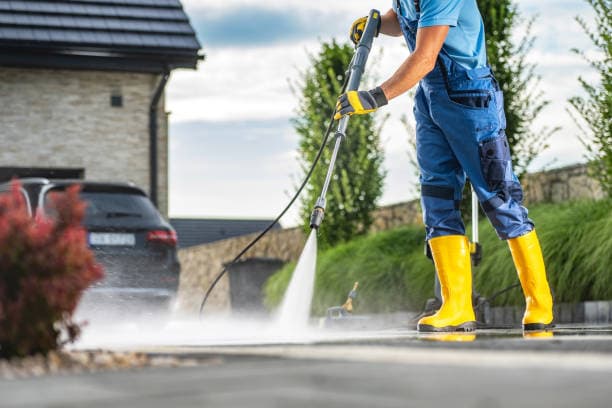
Pressure washing is a popular way to clean driveways, walkways, siding, decks, and other exterior surfaces. But once winter arrives and temperatures drop, most homeowners aren’t sure whether it’s still safe—or even possible—to pressure wash. The truth is: yes, pressure washing can be safe in winter, but only under specific conditions and with the right techniques.
Winter weather introduces challenges like freezing water, slower drying times, brittle concrete, and the risk of ice. This guide breaks down everything homeowners need to know about winter pressure washing, including temperatures, risks, alternatives, safety tips, and professional methods.
What Makes Winter Pressure Washing Tricky?
Pressure washing in winter is not the same as cleaning in warm weather. Cold temperatures change how water, surfaces, and equipment behave. Understanding these challenges helps homeowners avoid serious damage.
Water Freezes Quickly
In winter, water from your pressure washer can freeze on the driveway or walkway within minutes. This creates a dangerous layer of ice that can lead to slips, falls, or accidents. Frozen water can also enter tiny cracks and make them worse.
Freeze–Thaw Damage
Concrete absorbs water. If that water freezes, it expands. This expansion can cause:
Cracks in the concrete
Pitting and flaking
Spalling
Long-term structural issues
Winter pressure washing increases the risk of water entering concrete pores right before a freeze.
Cold Slows Drying
Surfaces dry slower in winter because:
The sun is weaker
Air is colder
Humidity is higher
Slower drying increases the risk of ice forming after you clean.
Equipment Becomes More Fragile
Cold weather can damage:
Pressure washer pumps
Spray guns
Hoses
Valves and seals
Frozen water inside equipment can expand and ruin the machine.
Chemicals Lose Effectiveness
Many detergents and cleaning agents don’t work well in cold temperatures. They are designed for warm water and lose power when temperatures drop.
Surfaces Become Slippery
Driveways and walkways may already have frost, moisture, salt, or ice. Pressure washing these surfaces adds more water and increases slipperiness.
Can You Safely Pressure Wash When It’s Cold?
Despite the challenges, yes, pressure washing can be safely done in winter, especially if you live in a climate like Newport Beach or Orange County where temperatures stay above freezing most of the season. Outdoor cleaning is possible as long as you choose the right time of day, pay attention to the temperature, and make sure the surface is not frozen or coated in snow or ice.
It becomes unsafe only when temperatures are too low or when surfaces are already frozen. If you try to pressure wash on a frozen driveway or walkway, the water will not absorb properly—it will simply freeze into a slick layer of ice. This poses safety hazards not only for you but also for anyone walking or driving on that surface. More importantly, water can seep into tiny cracks, freeze overnight, and expand enough to widen the damage.
The key is not whether winter pressure washing is allowed, but whether the conditions are right. Professional cleaners often monitor temperature, sunlight, moisture levels, and surface condition before deciding whether a job can be safely done.
What Temperature Is Too Cold to Pressure Wash?
Temperature is the most important factor in determining whether it is safe to pressure wash in winter. Anything below 32°F (0°C) is considered unsafe because water freezes at this point. When water from the pressure washer lands on the driveway or deck, it can freeze almost instantly, especially in shaded areas. This not only creates slipping hazards but also puts stress on concrete and stone surfaces.
Even temperatures just above freezing—between 33°F and 40°F (1°C to 4°C)—should be approached with caution. It is technically possible to pressure wash at these temperatures, but it requires hot water equipment, strong sunlight, and quick drying afterward. Only experienced professionals typically attempt cleaning in this narrow range.
The ideal temperature for winter pressure washing is anything above 40°F (4°C). At this point, water remains in liquid form long enough to perform effective cleaning, and surfaces have a chance to dry properly afterward. If you want the best cleaning results with the least risk, aim for temperatures between 50°F and 65°F (10°C to 18°C), which allow cleaning solutions to work at maximum strength.
Risks of Pressure Washing in Winter (Every Homeowner Should Know)
Winter pressure washing carries several risks that homeowners should understand before starting any cleaning project. The most serious risk is freeze–thaw damage. Concrete is porous, so water can sink into tiny openings on its surface. If temperatures drop overnight, the water freezes and expands, causing cracks, chips, and spalling. Over time, this repeated cycle can severely weaken the concrete.
Another risk involves the formation of ice on the surface after cleaning. Even if temperatures are slightly above freezing during the day, water can remain on the surface and freeze later in the evening when temperatures drop again. This creates dangerous slip hazards for pedestrians, pets, and cars.
Equipment damage is also a concern. Pressure washers rely on water flowing smoothly through hoses and pumps, but if water freezes inside any component, it can cause the equipment to burst internally. That’s why professionals often flush machines with antifreeze or store them in heated environments.
Finally, cold temperatures reduce the effectiveness of many cleaning agents. Detergents formulated for warm weather become sluggish or inactive in winter, making it harder to remove grease, oil, mold, and grime.
How to Pressure Wash Safely During Winter
Safe winter pressure washing requires preparation and careful timing. The first step is to choose the warmest part of the day. Late morning to early afternoon is ideal because the sun has had time to warm surfaces and temperatures are typically at their highest. Starting too early puts you at risk of hitting frost-covered surfaces, while starting too late increases the chance of water freezing before drying.
Before you begin, inspect the surface thoroughly. Make sure the driveway, walkway, or siding is not frozen, icy, or overly saturated. A frozen surface should never be cleaned because the water cannot penetrate properly and will simply turn into ice.
Using warm or hot water can dramatically improve safety and cleaning effectiveness. Warm water helps dissolve stains more easily, prevents rapid freezing, and allows detergents to work as intended. Many professionals rely on hot-water pressure washers during winter specifically for this reason.
If you’re using detergents, choose products made for cold temperatures. These formulas stay active even when the weather is chilly. After you wash, do everything possible to dry the area quickly. Blow off excess water with a leaf blower or sweep it away with a squeegee to prevent ice formation.
Best Time of Day to Pressure Wash in Cold Weather
In winter, timing is everything. The best time to pressure wash is late morning through early afternoon, typically between 11 AM and 3 PM. By this time, the sun has warmed the surface enough to help water flow and evaporate more safely. The air temperature also reaches its daily peak during this period, reducing the risk of water freezing.
Avoid pressure washing early in the morning when dew or frost is still present on concrete and other surfaces. Similarly, avoid washing in the late afternoon or evening because temperatures drop quickly once the sun sets. Any remaining moisture on the surface may freeze as soon as the temperature dips.
What Surfaces Should Not Be Pressure Washed in Winter?
Certain surfaces become more fragile in winter and should not be pressure washed until temperatures rise. Frozen or partially frozen concrete is one of the most problematic surfaces. Pressure washing it can worsen existing cracks or lead to new ones. Painted surfaces can also be risky because cold temperatures make paint more brittle; the force of water can cause peeling or chipping.
Wood decks, especially older ones, may absorb water unevenly in winter, creating swelling and distortion. Brick surfaces with damaged mortar joints should also be avoided because winter moisture can erode the joints further. If there is any visible ice, frost, or snow on the surface, cleaning should be delayed.
Winter-Friendly Cleaning Alternatives (If It’s Too Cold)
If the weather is too cold for pressure washing, there are still several effective alternatives to maintain your exterior surfaces. Soft washing is one of the most reliable options. It uses low pressure combined with powerful detergents to remove dirt, mold, algae, and buildup without the force of high-pressure water. This method is safer for delicate surfaces and works well on siding, stucco, fences, and even some types of concrete.
Spot cleaning is another smart option. Instead of cleaning the entire driveway, you can treat specific stains with brushes and cold-weather cleaners. Oil stain removers, degreasers, and specialized detergents can handle problem areas without requiring full pressure washing.
Hot water rinsing can also help. Even in cold weather, hot water breaks down grime and loosens dirt without creating the risk of freezing. For driveways and walkways, using concrete-safe winter detergents can reduce salt buildup and dissolve winter residue.
How Professionals Handle Winter Pressure Washing Safely
Professional pressure washing companies approach winter cleaning with specialized tools, experience, and methods that most homeowners don’t have access to. This is why hiring a professional often delivers better results and ensures safer conditions.
Professionals frequently use hot-water pressure washers because hot water reduces the risk of freezing and improves cleaning power. They also understand how to adjust PSI levels to accommodate winter-sensitive surfaces. For example, brittle concrete or aging stone requires lower pressure in cold weather.
Winter-safe detergents are another advantage professionals bring. These cleaning agents are formulated to remain effective even in chilly temperatures. Experienced technicians also know how to control water flow and manage runoff so it doesn’t accumulate in shaded areas where freezing is more likely.
After completing a job, professionals often use commercial blowers or vacuums to remove standing water immediately. This rapid drying process helps prevent freeze-related issues.
Tips to Protect Your Driveway and Concrete in Winter
Driveways and concrete surfaces require special attention during winter months, especially if you plan to clean them. One of the best ways to protect concrete is to apply a sealant before winter arrives. Sealing the surface prevents water from absorbing into the pores of the concrete, reducing the risk of freeze–thaw damage.
Using the right ice melt is also important. Traditional rock salt is harsh on concrete and accelerates deterioration. A better option is a concrete-safe, pet-safe ice melt that doesn’t cause chemical burning.
Keeping your driveway clear of snow and slush will help protect it from freezing water. If you notice small cracks, fill them before cleaning or before temperatures drop further. Cracks expand during winter, and water intrusion makes them worse.
Rinsing off salt residue periodically can prevent long-term chemical damage. Even without pressure washing, a light rinse or scrub can minimize winter staining.
Common Mistakes to Avoid When Pressure Washing in Winter
Many homeowners unintentionally make mistakes that can cause damage when cleaning in cold weather. One of the most common errors is washing when temperatures are too low. If the temperature is near freezing, water can freeze instantly and create unsafe conditions.
Another mistake is using too much pressure. Concrete becomes slightly more fragile in winter, so blasting it with high PSI can lead to surface etching or chipping. Using summer detergents is also problematic because many of them lose their effectiveness in low temperatures.
Allowing water to sit on the surface after cleaning is a major mistake. Standing water can freeze, and this leads to cracking, slipping hazards, and long-term damage. Washing too late in the day, when temperatures are dropping, is another avoidable error.
When You Should Wait Until Spring to Pressure Wash
While winter pressure washing is possible, there are times when it’s better to wait until spring. If your area is experiencing a cold spell or temperatures are consistently below freezing, it’s not safe to clean. If your driveway has visible cracks, damage, or deep pores that could hold water, winter washing may make the damage worse.
Surfaces that remain shaded throughout the day or don’t dry quickly are also poor candidates for winter cleaning. If your goal is to achieve the deepest and most thorough clean possible, warmer weather will give you better results because detergents perform stronger in mild temperatures.
Spring also offers faster drying times, lower risk of slip hazards, and the ability to clean more aggressively without damaging surfaces.